How Websites Detect VPN Users (and Why Some VPNs Get Blocked)
Image Credit: Unsplash under Creative Commons
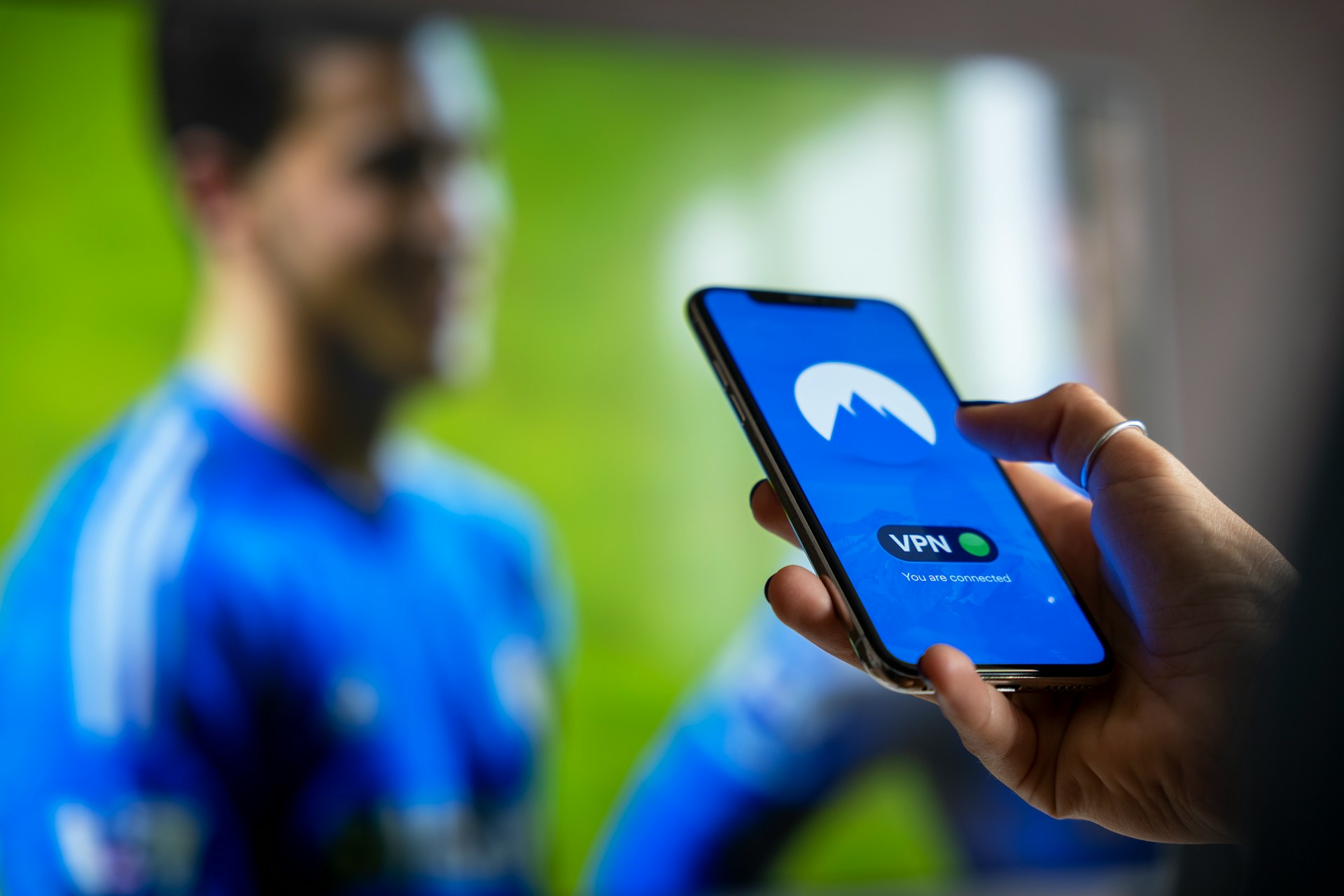
You sit down to watch a highly anticipated show, fire up your virtual private network, and navigate to your favorite streaming service. Instead of the opening credits, you are greeted by a bleak error message: “You seem to be using an unblocker or proxy.”
If you use a VPN regularly, you have likely encountered this exact scenario. Whether it is a streaming platform locking you out, a bank freezing your login attempt, or a forum refusing your registration, websites are getting increasingly aggressive about blocking anonymous traffic.
But how exactly do these websites know you are routing your connection through a remote server? A VPN is designed to encrypt your data and hide your IP address, so getting caught feels like a failure of the technology. The reality is that the internet is a complex ecosystem, and your IP address is only one piece of the puzzle. Websites use a variety of sophisticated methods to analyze your connection, cross-reference data, and look for telltale signs of proxy use.
Understanding how websites detect VPN users helps you protect your privacy more effectively and explains why your favorite provider might suddenly stop working on certain sites.
Why Do Websites Care About Your VPN?
Before looking at the technical methods used to flag your connection, it helps to understand the motivation behind the blocks. Websites do not block VPNs simply to annoy privacy-conscious users. They usually do it to protect their bottom line, enforce legal agreements, or mitigate abuse.
Streaming services are the most visible example. Companies like Netflix, Amazon Prime, and Hulu purchase content licenses on a regional basis. A studio might sell the rights to broadcast a movie in the United Kingdom to one company, and the rights for the United States to another. If a streaming platform allows users to bypass these geographic restrictions at will, they risk violating multi-million dollar licensing agreements with content owners.
Financial institutions view VPN traffic through the lens of fraud prevention. If you usually log into your banking portal from a residential address in Texas, and suddenly your account is accessed from a server in Romania, the bank’s automated security systems will immediately flag the activity as suspicious.
Social media networks, online encyclopedias, and community forums block anonymous connections to fight spam. Malicious actors frequently use proxy networks to create thousands of fake accounts, launch credential-stuffing attacks, or scrape data. By blocking known VPN servers, website administrators can eliminate a massive amount of automated bot traffic in one swoop.
The Technical Mechanisms of VPN Detection
Websites do not rely on a single magic trick to figure out you are using a virtual private network. They use a layered approach, combining network analysis, databases, and browser data to build a profile of your connection.
IP Address Blacklisting and Known Data Centers
The most common way websites detect your VPN is simply by looking up your IP address.
Every IP address belongs to an Autonomous System Number (ASN), which identifies the organization that owns it. When you connect to the internet without a VPN, your IP address belongs to a consumer Internet Service Provider (ISP) like Comcast, AT&T, or Virgin Media. These are classified as residential IP addresses.
When you connect to a standard VPN, your traffic is routed through a massive data center. Companies like Amazon Web Services, DigitalOcean, and M247 own the IP addresses associated with these servers. Websites subscribe to specialized threat intelligence databases, such as MaxMind or IP2Location, which maintain categorized lists of IP addresses and their associated ASNs.
If a website sees that your connection originates from a data center rather than a residential ISP, it assumes you are using a proxy, VPN, or corporate network. Since most typical consumers do not browse the web directly from a server farm, strict platforms will preemptively block that connection.
Furthermore, popular VPN servers handle traffic from hundreds or thousands of users simultaneously. If a streaming site notices 5,000 different accounts trying to log in from the exact same IP address within ten minutes, the system will permanently blacklist that address.
Deep Packet Inspection and Traffic Signatures
Sometimes, the data you send gives you away before your IP address is even checked. Deep Packet Inspection (DPI) is a method used by firewalls and strict network administrators to analyze the actual structure of the data packets leaving your device.
When data travels across the internet, it is broken down into small packets. Each packet has a header containing routing information and a payload containing the actual data. While a VPN encrypts the payload so nobody can read your passwords or messages, the encryption protocol itself leaves a recognizable fingerprint on the packet header.
For example, OpenVPN—one of the most widely used tunneling protocols—has a very distinct cryptographic signature during its initial handshake process. Advanced firewalls, including those used by authoritarian governments and corporate IT departments, can spot this signature instantly. They do not need to know what you are doing; they just see that your traffic is formatted like OpenVPN traffic and drop the connection.
DNS Leaks Giving You Away
The Domain Name System (DNS) is the phonebook of the internet. When you type a website name into your browser, your device sends a DNS request to figure out the corresponding IP address of that site.
A high-quality VPN forces all your DNS requests to travel through the encrypted tunnel to the provider’s own secure DNS servers. However, poorly configured software or operating system glitches can cause your DNS requests to bypass the tunnel and travel through your regular, unencrypted ISP connection.
When a website checks your connection, it might see that your IP address points to a server in London, but your DNS requests are originating from an ISP in Chicago. This blatant mismatch instantly reveals that you are using a location-spoofing tool, prompting the website to block your access.
WebRTC Leaks Exposing Your True IP
Web Real-Time Communication (WebRTC) is a technology built directly into modern web browsers like Chrome, Firefox, and Edge. It allows for high-quality, peer-to-peer audio and video communication without the need for external plugins.
To function correctly, WebRTC needs to know your true public IP address so it can establish a direct connection with another user. Unfortunately, WebRTC can be easily manipulated by a website to bypass your VPN interface entirely. A site can execute a simple JavaScript command that asks your browser to hand over its true IP address. If your VPN does not explicitly block WebRTC leaks, your browser will gladly transmit your actual home IP address to the website, rendering your encrypted tunnel useless.
Browser Fingerprinting and Inconsistent Data
Blocking IP addresses is a blunt instrument. Browser fingerprinting is a surgical one. Websites can gather an alarming amount of data about your device simply by analyzing how your browser renders information.
Scripts can detect your operating system, screen resolution, installed fonts, battery level, graphics card hardware, and system language. They compile these data points to create a unique identifier—a fingerprint—that tracks you across the web even if you clear your cookies or change your IP address.
Fingerprinting easily exposes VPN users through timezone and language mismatches. If your VPN assigns you a French IP address, but your browser fingerprint reveals that your system clock is set to Pacific Standard Time and your primary language is US English, the website’s security algorithm will calculate a high fraud risk score. The conflicting data points prove you are not actually in France.
GPS and Location Service Mismatches
If you are trying to use a localized service on a smartphone, your VPN will often fail completely. This is because mobile applications do not just rely on your IP address to determine your location. They request access to the device’s native location services, which pull data from the built-in GPS chip, nearby Wi-Fi networks, and cellular tower triangulation.
A VPN only changes your network IP address. It has absolutely no effect on your phone’s GPS coordinates. When you open a sports betting app or a local banking application, the software compares your network location with your GPS location. If your IP address says you are in Nevada, but your GPS chip insists you are in New York, the app will instantly shut down your session.
Why Some VPNs Survive While Others Fail
With all these detection methods in play, you might wonder how any VPN manages to bypass website blocks. The difference between a provider that gets caught and one that operates seamlessly comes down to infrastructure investment and technical countermeasures.
Residential IPs vs. Data Center IPs
Premium privacy providers have started offering residential IP addresses to combat data center blacklisting. Instead of routing your traffic through a server farm, these services route your connection through internet-connected devices located in actual homes, or they lease IP blocks directly from consumer ISPs.
When a streaming site or bank checks a residential IP address, the ASN lookup returns a standard consumer provider. The connection looks completely organic, allowing the user to bypass strict geographic and security filters.
Obfuscation and Stealth Protocols
To defeat Deep Packet Inspection, advanced VPNs utilize obfuscation technology. Obfuscated servers scramble your data packets so that they no longer carry the distinct signatures of protocols like OpenVPN or WireGuard.
The most common method involves wrapping the encrypted VPN traffic inside standard SSL/TLS encryption. To an outside observer, the traffic looks exactly like a normal, mundane connection to a secure HTTPS website. Since blocking all HTTPS traffic would break the entire internet, firewalls are forced to let the obfuscated VPN connection through.
Server Network Rotation Rates
The battle between websites and VPNs is largely a numbers game. Streaming services aggressively harvest IP addresses and add them to blacklists. Budget VPNs with small server networks quickly find all their IP addresses blocked, leaving their users stranded.
Top-tier providers dedicate immense resources to IP rotation. They constantly acquire new blocks of IP addresses and retire old ones. By the time a streaming platform identifies and blacklists a specific server, the provider has already moved its users to a fresh, unflagged IP address.
Common Misconceptions About VPN Blocking
A lot of confusing advice circulates on forums and social media regarding how to hide your connection. Clearing up these misconceptions can save you hours of frustrating troubleshooting.
Many people believe that using their browser’s “Incognito” or “Private” mode alongside a VPN makes them entirely undetectable. Private browsing only prevents your browser from saving local history and cookies on your hard drive. It does absolutely nothing to hide your network traffic from the websites you visit, nor does it prevent advanced browser fingerprinting.
Another common myth is that free VPNs are just as capable of bypassing blocks as paid ones. Running the infrastructure required to evade detection—frequently rotating IPs, maintaining obfuscation servers, and preventing DNS leaks—is incredibly expensive. Free providers simply do not have the capital to keep up with the blacklists maintained by massive tech companies. Their IP addresses are usually blocked permanently.
Finally, some users assume that if a website blocks their VPN, their real identity has been exposed. This is rarely true. In most cases, the website simply recognized that a proxy was being used and dropped the connection. Your actual IP address and identity remain encrypted safely inside the tunnel, even if the destination site refused to let you in.
Practical Steps to Bypass VPN Blocks
If you are struggling to access a specific website or service, there are a few practical methods you can use to restore your access.
First, try switching to a different server location. Because IP blacklisting targets specific addresses, simply disconnecting and choosing a new server in the same city is often enough to find an IP that the website has not yet flagged.
If you are using a web browser, clear your cache and cookies before reconnecting. Websites often leave tracking cookies on your device during your initial, unencrypted visit. If you turn on your VPN and return to the site, the platform will read the old cookie, realize you suddenly changed countries in a matter of seconds, and block you.
Look through your provider’s settings menu for an obfuscation feature. Different companies call this by different names, such as Stealth Mode, Chameleon, or NoBorders. Enabling this feature will apply extra masking to your traffic, helping you bypass Deep Packet Inspection.
If you consistently have trouble accessing financial platforms, consider purchasing a dedicated IP address from your provider. A dedicated IP is exclusively yours. Because you are the only person using it, it will never be flagged for suspicious mass-login attempts, making it much easier to access sensitive accounts without triggering fraud alerts.
Image Credit: Unsplash under Creative Commons
Frequently Asked Questions
Is it illegal to bypass VPN blocks?
In most democratic countries, it is perfectly legal to use a VPN to protect your privacy or bypass geographic blocks. However, bypassing geo-restrictions usually violates the Terms of Service of streaming platforms. While you will not face legal trouble, the provider reserves the right to suspend your account, though this rarely happens in practice.
Why does my bank block my VPN?
Banks use automated fraud detection algorithms that assign risk scores to every login attempt. Logging in from a known data center IP address, or from a geographic location vastly different from your home address, causes that risk score to spike, resulting in an automatic block to protect your funds.
Can websites see my real identity through a VPN?
If your connection is configured correctly and you are not suffering from DNS or WebRTC leaks, the website cannot see your real IP address or identity. They only know that the connection is originating from a proxy server. However, if you log into a personal account (like your Google or Facebook profile) while connected, the website obviously knows who you are based on your credentials.
Does using a dedicated IP help?
Yes, a dedicated IP address is highly effective for bypassing blocks on forums, banks, and remote work portals. Because the IP address is not shared with thousands of other users, it behaves exactly like a normal residential connection and avoids triggering automated spam filters.
Why does Netflix block my specific VPN server?
Streaming services continuously monitor traffic patterns. If they detect hundreds of users simultaneously streaming video from the exact same IP address, they recognize it as a data center and blacklist it. Your specific server was likely flagged due to high traffic volume.
Can my ISP see if I use a VPN?
Your Internet Service Provider cannot see the websites you visit, the videos you watch, or the messages you send while connected to a VPN. However, they can see that you are connected to a remote server, and they can see the volume of encrypted data traveling back and forth.
Are residential VPNs better than standard ones?
For the specific purpose of bypassing website blocks and geo-restrictions, residential IPs are highly effective because they appear completely authentic to security algorithms. However, they are usually much more expensive and can suffer from slower speeds compared to traditional data center servers.
Conclusion
The relationship between websites and privacy tools is a perpetual cat-and-mouse game. As long as regional licensing laws and digital fraud exist, companies will continue developing new ways to identify and block proxy traffic. From simple IP blacklists to complex Deep Packet Inspection and behavioral fingerprinting, the mechanisms used to spot anonymous users are sophisticated and aggressive.
By understanding the technical methods these platforms use, you can make smarter decisions about how you protect your data. Keeping your software updated, actively preventing WebRTC and DNS leaks, and knowing when to use obfuscated or dedicated servers will ensure you maintain your digital privacy without sacrificing access to the services you rely on.